
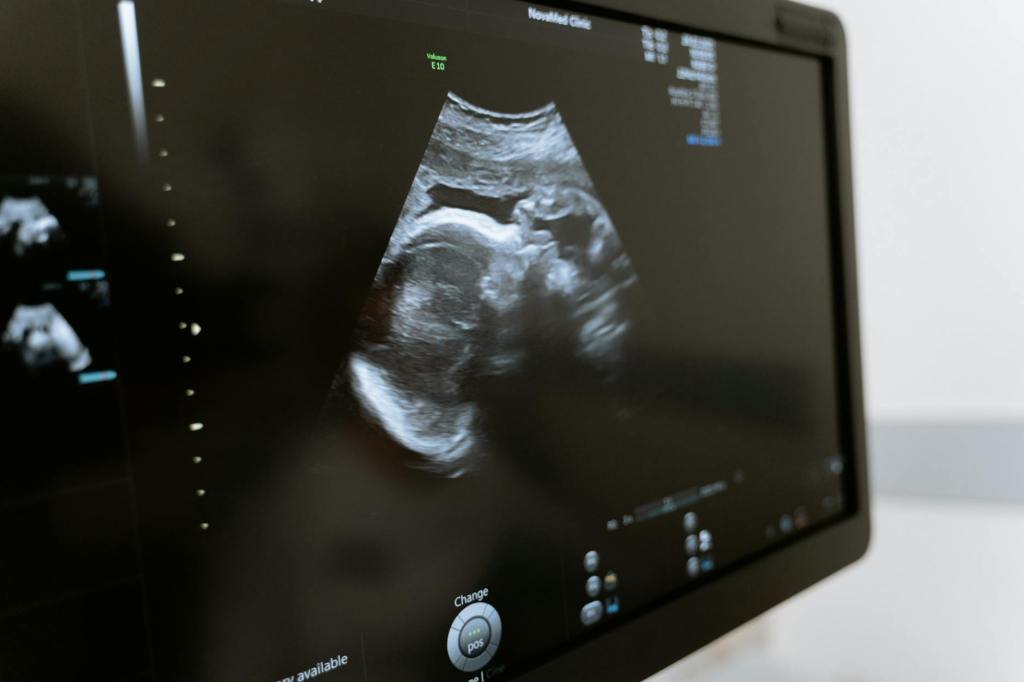
According to Boakye et al., (2021), preeclampsia, the leading cause of maternal death in the United States, disproportionately affects Black women.
Boakye, E., Sharma, G., Ogunwole, S. M., Zakaria, S., Vaught, A. J., Kwapong, Y. A., … & Wang, X. (2021). Relationship of preeclampsia with maternal place of birth and duration of residence among non-Hispanic Black women in the United States. Circulation: Cardiovascular Quality and Outcomes, 14(2), e007546.
Disturbing New Trends
The birthing process should be an exciting time for everyone. However, over the past five years, this process has become increasingly concerning for Black women. It is all too often you read or hear about Black women who have died during or after childbirth. Why is this happening in 2024 in a resource rich country? Let’s break down the top three causes of maternal death in women of color, namely Black women.
Preeclampsia
Preeclampsia is a form of hypertension that develops in pregnant women sometime after the 20th week of pregnancy. Women with gestational hypertension may be at increased risk of developing preeclampsia. Hypertension disproportionately affects Black women and can be a result of diet, lifestyle, and possible genetics. If we put the puzzle pieces together, we now have the perfect storm.
Health optimization is a major component of preventing or managing hypertension during the pregnancy. The following steps are going to vital to greatly reducing the risk of developing hypertension or help you to manage your hypertension:
- Monitor to your blood pressure at home with a home blood pressure machine.
- Take your blood pressure medication that has been prescribed to you by your OB/GYN if you are already being treated for hypertension.
- Drink plenty of water and greatly limit salty foods.
- Try to take two 10–15-minute walks daily (normal paced). *Always follow your doctor’s recommendations on exercise*
- Avoid prolonged sitting by making sure to stand up and walk around often.
- Eat more fruits and vegetables and less processed foods.
- Try to Limit or avoid seafood if possible.
Postoperative Bleeding After Cesarean Birth
Unfortunately, postoperative bleeding is not something that you can control based on your diet and lifestyle. Choosing a provider whom you feel comfortable with, and trust is going to be important to your outcome. Ensuring you have open lines of your birthing team and OB/Gyn is going to be key. Make sure you fully understand what to expect after your cesarean birth. If you have questions don’t be afraid to ask, it is your body and your health. Make sure your birthing plan is solid and one that you can achieve. The following key points will be helpful in planning your hospital stay:
- Create a list of important contacts (OB/Gyn, pharmacy, family members) and have it readily available for you or your representative.
- Be sure to go over your recovery care thoroughly with your nurse and address any last-minute questions with your doctor.
- Bring all prescribed medications with you and take them as prescribed.
- Avoid strenuous activity while in the hospital and once at home.
- Avoid salty foods!
Gestational Diabetes
Gestational diabetes occurs when your body is unable to make enough insulin (a regulating hormone) during your pregnancy. Having gestational diabetes can increase your risk of hypertension during pregnancy. Having diabetes can also play a significant role in your recovery if you undergo a cesarean birth. Gestational diabetes can also increase the risk of a large baby, which can further complicate the delivery process. The CDC recommends testing for gestational diabetes between the 24th and 28th week of gestation. The following tips can help you either avoid or manage gestational diabetes:
- Get plenty of exercise and physical activity (pregnancy yoga is highly recommended).
- Drink plenty of water and ensure a balance between fruits and vegetables.
- Make sure to eat at your scheduled meal times daily
- Check your blood sugar daily if you have been diagnosed with diabetes/gestational diabetes.
- Try taking a guided meditation class (there are plenty of free guided meditation videos on YouTube).
- Prioritize your sleep hygiene to your schedule to ensure you are getting plenty of rest.
- Make sure to attend all of your prenatal appointments to ensure the health of you and the baby.
Health Optimization
Lastly, it must be said that health optimization is always going to be the guiding light in ensuring a safe healthy pregnancy and postpartum recovery. Ensuring that your health is up to par before the pregnancy starts is key. This is very important for all women but in particular Black women, who are disproportionately at risk of developing complications. In today’s world there are many resources and technologies available such as wearable fitness trackers at your fingertips to help you stay on track to good health. Most of these technologies are free and may already come with your cellular plan.
Health optimization is when you optimize your personal physical and mental health from any level of health. You do not need to have all of your ducks in a row to start. You can start your journey to optimizing your health at any time. So even if you’re reading this and you are already growing a little human, it’s not too late to start!



 The Maternal Health & Safety Awareness Post
Leave a comment